1964 Jaguar E-Type Semi-Lightweight Recreation
- Engine
- 4.2L inline-six, twin-cam, triple Weber DCOE 45 carburetors, est. 300 bhp at 5,800 rpm
- Colour
- Cream
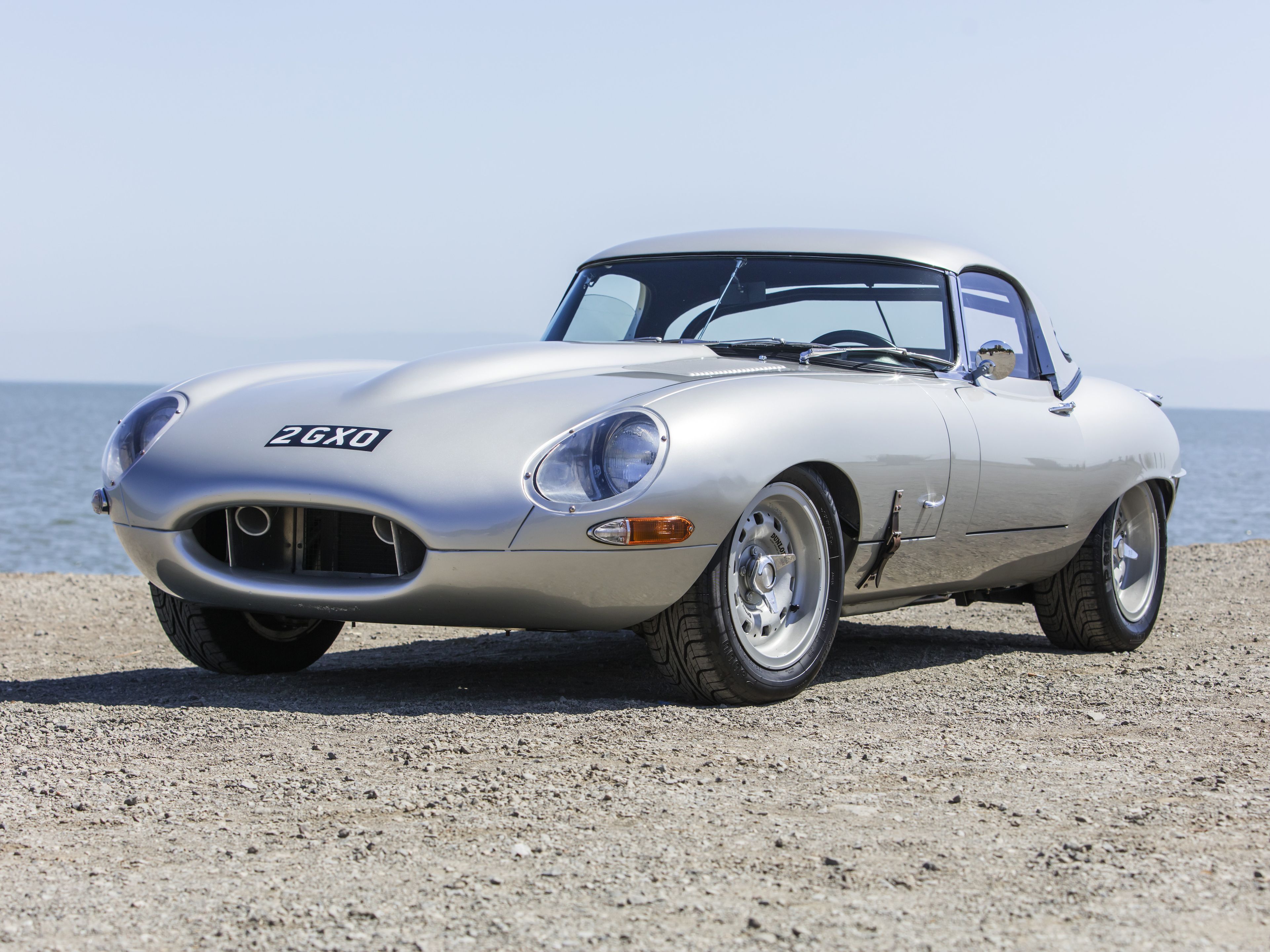
Chassis 1E10022 is a 1964 Jaguar E-Type Roadster that has been converted to Semi-Lightweight specification over a multi-year build completed in 2006. Originally delivered in cream with a blue interior, likely to the US market, the car was meticulously transformed by a dedicated owner starting in 1998 to replicate the 11th factory Lightweight, '2 GXO'. The build involved aluminium body panels sourced from Dunford in the UK, a purpose-built 4.2-litre competition engine by Hyde Villa Machine Shop, and comprehensive suspension and brake upgrades. The original matching-numbers engine is retained and accompanies the car.
Ownership
- 2020-08-14Auction saleEstimate US$175,000 – US$225,000
- 1964 →Factory deliveryUS market first ownerpartial documentation
Car believed delivered new to the American market; exact identity and tenure end date not specified in the prose.
- → 1995Acquisition unknownLong-term US owner from the 1980spartial documentation
Held the car for an extended period beginning sometime in the 1980s before selling in 1995; car was red at this point and still carried its original matching-numbers engine.
- 1995 →Private saleJaguar enthusiast and Semi-Lightweight builderfull documentation
Purchased the car for its sound structure, drove it for roughly three years while researching E-Type Lightweight details extensively, then from 1998 onward directed a comprehensive conversion to Semi-Lightweight specification completed in 2006; extensive fabrication records and parts documentation accompany the car.
Competition
No competition history extracted from the catalogue.
Maintenance & restoration
- 1999RestorationSteve Helms
The complete bodyshell was media-blasted and metalwork preparation began under the supervision of Jaguar specialist Steve Helms, marking the start of the Semi-Lightweight conversion project.
Owner had fully disassembled the car prior to this stage, photographing and cataloguing the process.
- 2000BodyworkDunford Limited
An order was placed with Dunford Limited in the UK for bespoke aluminium panels, including two doors, a hardtop, a complete bonnet, boot lid, rear quarter panels, and associated vents, fabricated by specialist craftsmen.
Dunlop racing wheels, hubs, and other Lightweight-specific components were also sourced at this time at a combined cost of approximately $20,000.
- 2005BodyworkLindley Motors
Body and frame work was completed to show-quality finish by Lindley Motors, ready for final reassembly by Steve Helms.
- 2006RestorationSteve Helms
The full Semi-Lightweight recreation build was completed, with Steve Helms performing final reassembly to show-quality standard.
Minor sorting and upkeep have been carried out in subsequent years.
- —Bodywork
Between 2003 and 2005 a local aluminium fabrication specialist shaped and contoured the panels, fitted them to the monocoque, and prepared the car for paint at a cost of approximately $36,000.
Final paint preparation, painting, and finishing for reassembly were completed by Lindley Motors, described as monocoque specialists.
- —Engine rebuildHyde Villa Machine Shop
A 4.2-litre XJ6-based engine was built up to competition specification by Hyde Villa Machine Shop, including balancing and blueprinting, porting and polishing, Venolia oversize pistons, new connecting rods, Isky racing camshafts, an aluminium flywheel, three Weber DCOE 45 carburettors, an AP clutch, and stainless steel headers and exhaust.
The XJ6 engine was chosen over the original unit for its larger oil galleries and improved architecture for high-performance development. The original matching-numbers engine was preserved separately.
- —Mechanical
Suspension and brakes were overhauled with Wilwood brake calipers, Spax dampers, uprated suspension bushings, stainless steel brake lines, and adjustable torsion bar reaction plates. The original Moss gearbox was replaced with a full-synchromesh 1965 unit.
Exterior details were also finalised at this stage, including a Le Mans fuel filler cap, extractor vents, and a roll bar.
Are you the owner of this car?
This car's public record is built from its auction and competition history. Register your ownership and privately add your own records to make it a verified Legacy Metrics passport — provenance that backs your car's value at sale and gives your insurer evidence to price against. Roy reviews and verifies every registration personally.