1958 Lancia Aurelia B20 GT Coupé Series 5
- Engine
- 2.5L V6
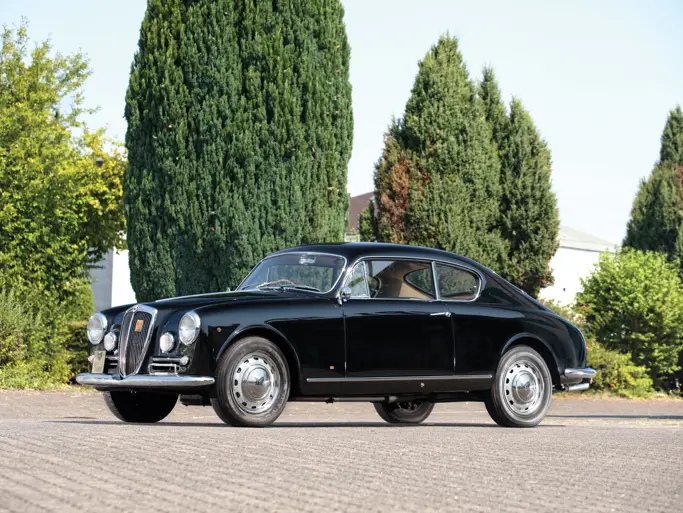
The Lancia Aurelia B20 GT is a landmark Italian grand touring coupé, notable as one of the earliest production cars to employ a V-6 engine, along with a rear transaxle, independent suspension at all four corners, and radial tyres. This example is a later Series 5 car, fitted with the enlarged 2.5-litre unit. It has been used extensively in historic motorsport events and represents one of the key sporting machines of the 1950s.
Ownership
- —Auction saleSold £106,375 (≈ $133K)
Competition
- 19511951 Mille Miglia2nd overall
The B20 GT model achieved a runner-up finish in its debut year, establishing early competition credentials for the type.
- 19511951 Le Mans 24 HoursClass victory
The B20 GT secured a class win at Le Mans in its first year of competition.
- 19521952 Targa FlorioPodium sweep
The Aurelia B20 GT dominated the podium positions at this Sicilian road race.
- 19531953 Liège-Rome-Liège RallyVictory
Outright win in this demanding long-distance rally further cemented the Aurelia's sporting reputation.
Maintenance & restoration
No maintenance or restoration records.
Are you the owner of this car?
This car's public record is built from its auction and competition history. Register your ownership and privately add your own records to make it a verified Legacy Metrics passport — provenance that backs your car's value at sale and gives your insurer evidence to price against. Roy reviews and verifies every registration personally.